0116 251 7741
 Request a brochure
 Request a quote
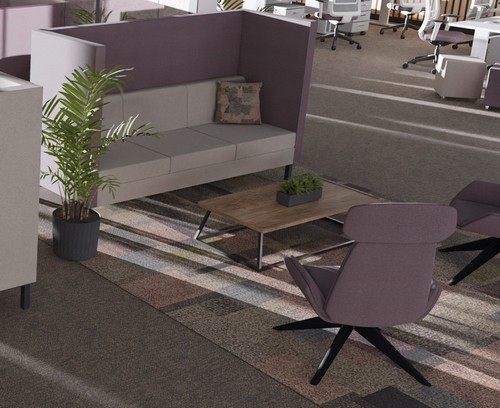
Knowing where to place acoustic pods for offices comes down to a handful of practical factors. How the pod will be used, the shape of your existing office layout, the noise around it, the flow of foot traffic and easy access to power are all key considerations. Get this right and a pod can have a transformative effect on workplace wellbeing and productivity.
Our acoustic seating pods offer a stylish and practical alternative to traditional workplace seating. With high backs and sides, and sound-absorbing materials, they provide a quiet space for focused work, as well as time out from the desk and an alternative space for collaboration. Available in one, two or three-seater options, acoustic pods can make a real difference to workplace productivity and wellbeing in the open-plan office environment.
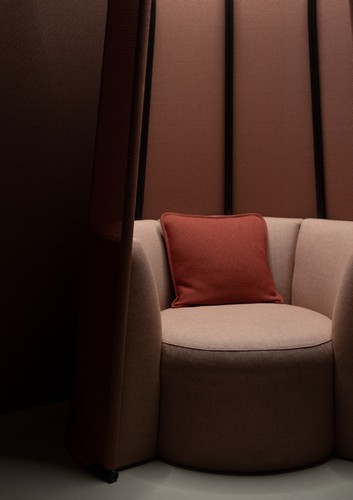
The office space planning process needs to reflect how your team will use the pod, as well as how the surrounding space already works. So, before you settle on a location, it helps to weigh up a few practical points:
A pod that will be used for focused work or confidential conversations will need a very different position from one designed for informal chats. Thinking through acoustic pod placement in this way saves time later and helps you avoid having to have a rethink.
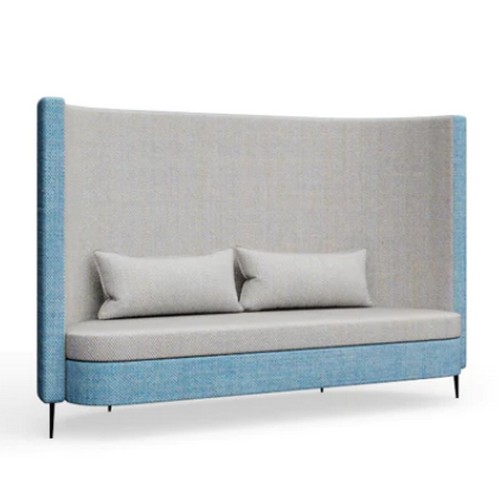
Busy areas are not ideal for pods intended for concentration or private conversations. If colleagues are streaming past all day, interruptions creep in and undermine the very benefit the pod is designed to deliver.
As well as making sure passers-by aren’t causing a distraction, it’s important to make sure the pod does not block routes or force people into an awkward detour. Leave enough room around entrances and exits so the space feels open rather than cramped.
Position pods where staff can reach them easily, without having to walk through another team’s immediate working area to get there. Threading through desks to reach a pod causes needless disruption. A well-placed pod feels like a natural part of the route people already take.
Open-plan offices are wonderful for energy and collaboration, but they can leave people short of quiet privacy when they need it. Placing office acoustic pods close to open-plan work areas gives your team an alternative space for focused work, calls or conversations, without tying up a meeting room.
Acoustic pods can work brilliantly as an integral part of breakout or informal collaboration areas, particularly where people regularly need a place to hold a short discussion. Keeping them close to where teams naturally gather means they get used often and for the right reasons.
Where it suits the setting, acoustic seating pods can offer staff and visitors a more private and comfortable place to wait or hold an informal conversation. A reception area creates an important first impression, so a smart, welcoming pod adds both function and polish.
Pods are also a clever way to breathe life into neglected areas such as wide hallways or empty corners. Rather than letting that square footage go to waste, a well-chosen pod turns dead space into somewhere genuinely useful, which is a real win when every bit of your floor plan counts.
Thoughtful positioning helps draw a clearer line between the calmer and busier parts of an office. Pods can create a quiet zone that gives people space to breathe and think.
To make this work well, consider:
The pod itself provides a more enclosed environment, but the space around it still shapes the experience. A quiet unit surrounded by clatter will never feel as calm as one placed with a little breathing room. Positioning and acoustics work hand in hand.
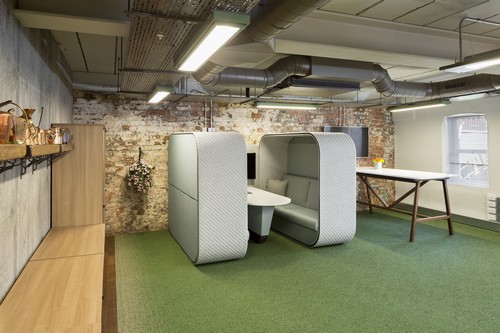
Pods designed for meetings and conversations should be genuinely convenient for the people who will use them. If a meeting pod is a trek away, teams simply default back to booking a room or gathering at a desk.
Aim to place collaborative pods:
Placing a pod next to a quiet workstation tends to backfire as the conversations and movement around it create the very disturbance those quiet workers are trying to escape. Good office pod placement keeps the busy and the calm comfortably apart.
Acoustic performance and physical positioning work together to create a genuinely useful semi-private space. However, the sound insulation benefits lose value if the pod sits in full view of the whole floor.
When weighing up privacy, think about:
A pod used for confidential conversations benefits from a more secluded position than one used for casual collaboration. Matching the level of workplace privacy to the pod’s purpose makes all the difference to how confident people feel using it.
The position of a pod should also take practical infrastructure into account. The most attractive and comfortable pod in the world will sit empty if people cannot easily plug in and get on with their work.
Weigh up:
If employees cannot conveniently connect their devices, they will use the pod less often. A location with easy access to power and a reliable connection encourages regular use and helps the investment pay off.
A simple framework makes the decision much easier. Work through this checklist before making any decisions, and don’t forget our experienced office furniture specialists are here to guide you through the process and answer any questions you may have.
Start by pinning down what the pod is chiefly for:
Next, take a good look at the area you have in mind:
Finally, look at the proposed position within your complete office layout rather than treating the pod as an isolated piece of furniture. Deciding where to place acoustic pods works best when you see how the unit fits into the room as a whole, alongside desks, routes and existing furniture.
The best position depends on the type and size of pod you install. A single person focus pod requires a very different location from a larger unit built for group conversations.
Think about:
Considering both the pod itself and the space it will occupy is the surest way to get the placement right.
Get in touch for friendly advice on choosing the right solution for your office. Call us on 0116 251 7741 or fill in our contact form to get the process started.
The best location depends on how the pod will be used, but as a rule it should be easy to reach while offering separation from excessive noise and foot traffic. A position that balances convenience with a degree of calm tends to work best.
They can be positioned near open-plan work areas when your team needs convenient access to private space. The key is to make sure the pod does not create extra disruption for the people working nearby, so a little distance from busy desks usually helps.
Yes. Acoustic pods work well near collaborative areas, especially where people need an alternative space for discussions or video meetings. Ensure you position them so that conversations do not carry across to nearby quiet work areas.
Placing a pod against a wall can be practical in some office layouts. The decision should take account of access, circulation, ventilation, power and how the pod will be used.
This depends on the pod’s dimensions, entrance configuration, surrounding furniture and any accessibility requirements. As a guide, allow enough room for comfortable access without blocking walkways or causing congestion.
They can certainly help. Acoustic pods provide a more enclosed environment for the people using them and separate conversations and activity from the wider workspace. Overall noise levels still depend on the surrounding office layout and any additional acoustic furniture.