0116 251 7741
 Request a brochure
 Request a quote

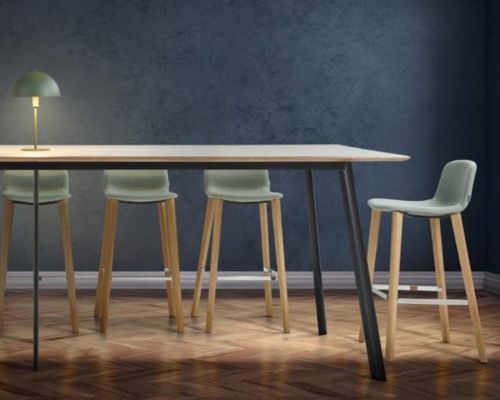
In the dynamic environment of the modern workspace, you might have the ambient noise of an open plan office on one side of the room, and colleagues trying to conduct a structured, quiet meeting on the other. Teams regularly need to switch between quick collaboration and deep, focused discussion. This creates an important decision for business owners regarding their workspace design. Should you build a standing meeting culture or rely on traditional seated setups?
Comparing high meeting tables vs standard meeting tables is a vital step in mapping out your agile office design. The furniture you choose directly impacts workplace productivity, employee collaboration and overall wellbeing. Finding the right balance will support your hybrid working environment and create dedicated office collaboration zones that actually get used.
Here at Lismark, we offer a great range of high meeting tables and standard meeting tables to cater for all tastes and budgets.
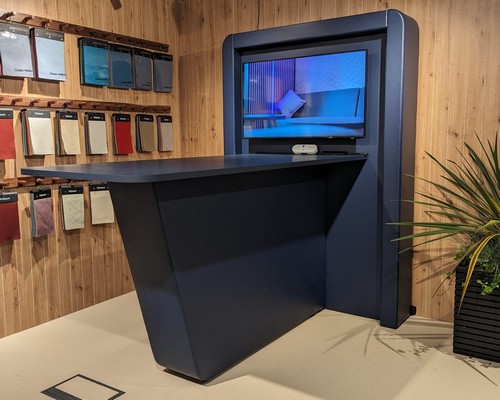
Understanding the core functions of these two table types helps you make a better investment for your team.
High meeting tables are standing or bar-height tables designed to encourage movement and quick collaboration. They are often placed in open areas and are perfect for morning stand-ups, informal huddles or quick project catch ups. These standing meeting tables for offices keep people on their feet and physically engaged with the conversation.
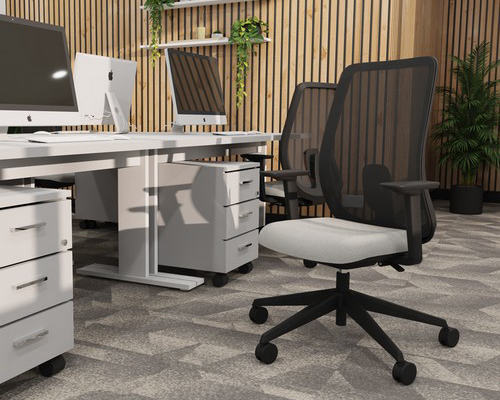
Standard meeting tables are the traditional conference tables you see in most formal meeting rooms. They facilitate structured meetings, offering plenty of space for laptops, notepads and digital devices. A seated setup is naturally better for longer discussions, document-heavy sessions, formal presentations and client meetings.
If you want to create a comfortable and versatile workspace, you need to understand the physical dimensions of your furniture. Looking at a standard meeting table height comparison reveals exactly how these two options shape the user experience.
A typical standard office table is designed to align perfectly with standard office chairs, keeping the user’s feet flat on the floor and their arms resting comfortably at desk level. Our high meeting tables sit at a height of 1050mm.
This height difference dramatically changes seating ergonomics. Standard heights support good posture for prolonged periods of sitting. High tables require employees to either stand or use high stools, which subtly shifts their posture and encourages them to shift their weight, stretch their legs and remain physically alert.
Whether they are high or low, our meeting tables come in a great choice of finishes and size configurations.
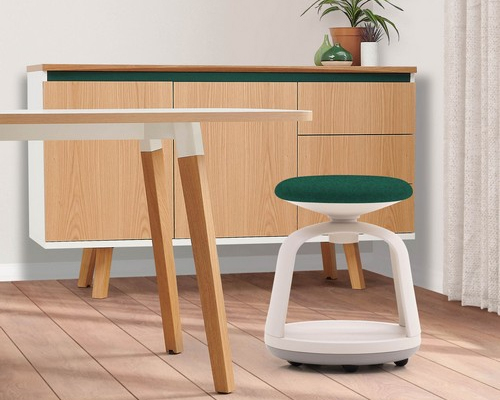
When choosing between these tables, it’s important to take a look at how your business operates on a daily basis. The high vs low office meeting tables benefits become clear when you look at four distinct areas of office life.
Collaboration style
High tables generate an energetic and fast-paced environment. Because participants are standing up or perching on stools, discussions tend to get straight to the point. Standard tables create an atmosphere suited to structured decision making, where people can settle in and work through complex agendas.
Productivity impact
Standing up naturally increases alertness. Blood flows more freely and people are less likely to zone out. However, sitting down provides the physical comfort required for deep focus and longer meetings. It allows team members to concentrate on intricate spreadsheets or long reports without physical distraction.
Space usage
You can fit high tables into compact, flexible zones like corridors, breakout areas, or the underused corner of an open-plan room. Standard tables usually demand a fixed, formal meeting room to accommodate the wider footprint of the table and the bulky chairs that surround it.
Office culture impact
Relying heavily on high tables fosters an agile, start-up style environment where ideas are exchanged informally. A reliance on standard tables maintains a more traditional, hierarchical corporate culture.
Bringing high meeting tables into your workspace injects an immediate sense of energy into team gatherings. Meetings naturally conclude faster when people are standing, which speeds up decision-making and gives your staff more time to focus on their to-do list.
They are also incredibly effective for hybrid working setups. When staff come into the office specifically to collaborate, high tables placed in breakout zones provide the perfect casual landing pad. Furthermore, standing meetings encourage physical movement and help reduce the fatigue and health issues associated with sitting at a desk for eight hours a day.
Standard meeting tables remain a cornerstone of office furniture for good reasons. They are fundamentally better for long meetings that require deep concentration. When a strategic planning session takes three hours, your team needs comfortable seating to maintain their focus.
These tables are also ideal for formal presentations. They offer the necessary surface area to support documents, hardware and coffee cups. If your business regularly hosts external partners, a standard table provides the professional, client-facing environment expected in a corporate setting.
Selecting the best meeting table for your office space comes down to your unique operational needs.
Choose high meeting tables if:
Choose standard meeting tables if:
You don’t have to limit your business to just one style of meeting space. In fact, many modern offices achieve the best results by using both types of tables.
Implementing a hybrid design means you can install high tables in breakout zones for quick creative sessions, while reserving standard tables for enclosed meeting rooms. This varied approach to flexible office furniture solutions gives your staff the freedom to choose the environment that best suits the task at hand.
If space is tight or you want to offer your team extra flexibility, you can opt for the Advance Sit Stand Meeting Table, which seamlessly changes height at the press of a button.
Making the final decision requires a practical assessment of your current resources. Evaluate your space availability to see if you can dedicate a whole room to a standard table, or if a high table in a corner makes more sense. If you’re unsure what will work best for you, our expert team will be happy to advise on the best solution for your needs and budget.
Ultimately, it’s all about your team size and meeting frequency. Large, regular gatherings might need a standard boardroom table while daily small-team check-ins are perfect for high tables.
The main difference lies in their height and intended function. High tables are built for standing or perching, making them ideal for agile collaboration and quick catch ups. Standard tables are seated, making them better suited for structured, formal meetings.
They can certainly boost productivity for specific tasks. Standing increases alertness and engagement, which is excellent for short meetings and brainstorming. However, they are not ideal for long, formal sessions where deep focus is required.
A standard meeting table is typically between 720mm and 760mm high. By comparison, standing or bar-height tables sit between 1000mm and 1100mm. The lower standard height aligns with ergonomic office chairs to support comfortable seating postures.
There is no single best answer because it depends on your specific office space and working culture. Agile teams benefit greatly from high tables, while businesses that rely on formal meetings need standard tables. A hybrid approach is often the most effective strategy.
Yes, this is highly recommended in modern workplaces. You can use high tables in breakout or collaboration zones, and place standard tables in your boardrooms. This supports a flexible workspace strategy that caters to all types of work.
Creating an office environment that actively supports your team’s workflow is a proven way to drive business growth. Whether you need the quick agility of high meeting tables or the formal comfort of standard boardroom setups, getting the right furniture in place makes everyday operations much simpler. Speak to our expert team at Lismark today to find out more about our tailored office furniture solutions and discover how we can help you build a more productive workspace. Call us on 0116 251 7741 or fill in our contact form to find out more.
 Optimized by Seraphinite Accelerator